






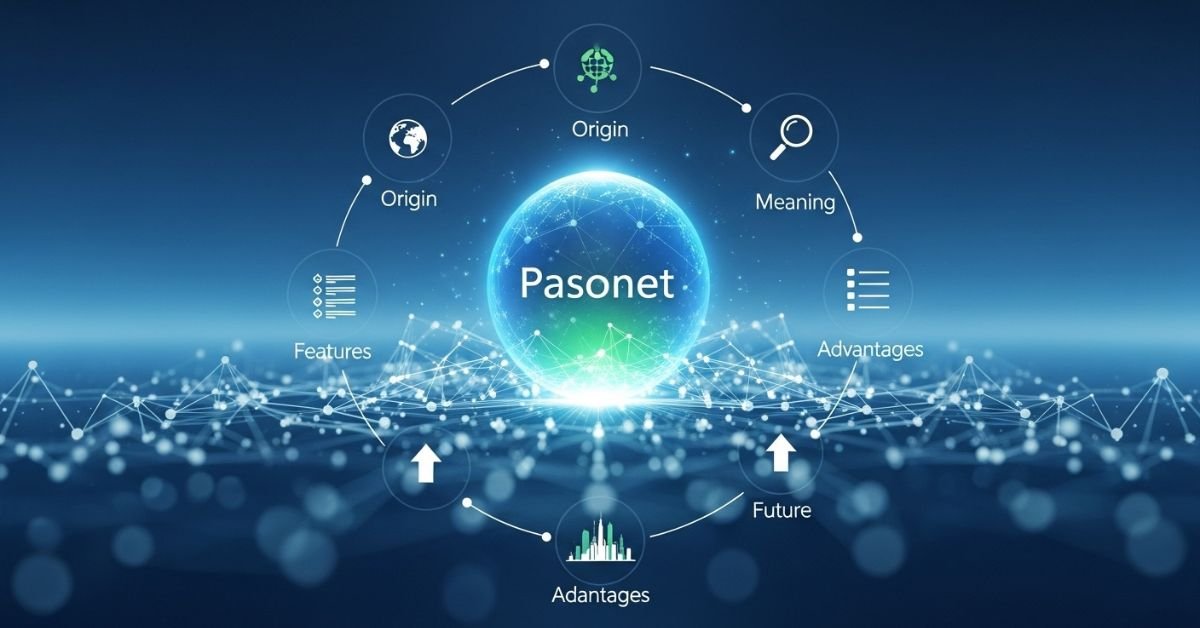
Introduction to Pasonet
A concept called Pasonet is leading the charge in the ongoing evolution of the digital landscape. Yet, its precise meaning remains unclear. As we explore its history, relevance, and distinctive features, you will learn what makes Pasonet special among internet technologies. Whether you’re an expert in technology or simply interested in new trends, learning about it can help you make sense of our interconnected world. Together, we can delve into this fascinating idea and find out why it’s attracting interest from all across the world.
The Origin and Evolution of Pasonet
In reaction to the increasing demand for stable internet connections, Pasonet entered the online scene. It all started with early networking ideas, when trailblazers tried out different ways to link individuals together, regardless of how far apart they were.
Pasonet progressed from simple frameworks to more complex systems as technology expanded. A major step forward was the incorporation of wireless technologies. Users gained access and mobility never before seen because of this change.
Cloud computing and Internet of Things integrations were among the advancements that it eventually adopted. By providing more streamlined connectivity and better data management, these innovations raised the bar for the user experience.
As needs changed toward faster speeds and more efficiency, the adventure continued. With its innovative digital communication solutions, It embodies the evolution of the internet and meets the difficulties of the current day head-on.
What Makes Pasonet Different from Other Internet Concepts?
The innovative method of connection that Pasonet employs makes it stand out in the vast digital environment. Operating on a decentralized architecture, it differs from typical internet paradigms. So, users won’t have to depend on centralized servers for their connections.
There is an emphasis on community-driven access in the design. By establishing connections, local nodes build a mesh network that improves speed and reliability. Users are given more agency and less reliance on centralized ISPs as a result of this local focus.
Users’ privacy and security are Pasonet’s top priorities. There is less chance of data breaches, which are typical in traditional systems, because data is not kept in a central location.
Additionally, it stands out due to its versatility. To ensure that everyone, regardless of location or infrastructural constraints, has access to dependable internet services, Pasonet can operate effectively in a variety of situations, including urban areas and isolated locations.
You May Like : Lbythj: Meaning, Mystery & Modern Use
How Does Pasonet Work?
Accessibility and affordability are key to Pasonet’s unique foundation. It makes use of shared infrastructure, which enables numerous users to link up via a single network node. This layout maximizes coverage with minimal expenditure.
Mesh topology is it’s foundational feature. Nodes, made up of individual devices, allow data to be relayed between users independently of centralized servers. Reliability and latency are both improved by this decentralized method.
Because data transmission takes place via wireless signals, it is adaptable to both urban and rural environments. Simple gadgets, such as smartphones or tablets, are generally sufficient for users to access the internet.
Data protection measures are in place to ensure the safety of users. Protocols for encryption guarantee the secrecy of data transmitted via a network. The goal of Pasonet’s revolutionary structure is to make internet access more accessible to varied communities around the world.
Advantages and Disadvantages
Users are drawn to Pasonet because of its numerous features. Many people, particularly in disadvantaged areas, can afford its low-cost services, which make connectivity accessible. Its infrastructure is designed to be simple, making setup and maintenance a breeze.
The fact that Pasonet is community-driven is another major plus. Many of these networks are run by local operators, which encourages participation and ownership from the community. Improved customer support that is based on local needs is one potential outcome of this paradigm.
But Pasonet has its downsides as well. During peak hours, when more users are online at once, limited bandwidth might hamper user experience. Problems with scalability could develop if demand exceeds present capacity.
Furthermore, service quality could vary among regions if localized management is overly relied upon. If providers or communities involved in administering the network do not adequately address maintenance concerns, it could undermine overall reliability.
The Future of Pasonet
As Pasonet adapts to new technology, it has a bright future ahead of it. We anticipate a dramatic increase in it’s reach as more regions make investments in digital infrastructure.
Better and more dependable internet access will be possible as a result of advancements in connectivity. People in areas that have been neglected by major ISPs for a long time may finally gain agency as a result of this change.
In addition, Pasonet can take advantage of the growing interest in sustainability by incorporating environmentally conscious policies and procedures into its daily operations. This dedication can entice customers who are concerned about the environment.
The way Pasonet does business might be affected by new technology such as 5G and the Internet of Things. These tools can make this architecture more efficient and offer a wider range of services.
It must adapt to the changing demands of users for individualized experiences if it wants to continue to be successful. In such a fluid environment, direct user engagement is key to generating loyalty and new ideas.
Conclusion
Pasonet is a revolutionary change in the way we see and use the internet. Innovative concepts that aimed to improve internet experiences and make them accessible to more people are where it all began. Pasonet differentiates itself from conventional internet frameworks by concentrating on usability, meeting the demands of the community in a targeted manner.
The complex architecture of Pasonet, which aims to optimize connectivity for different users, becomes apparent when one understands how it operates. While there are still some unanswered problems, this customized method has several benefits.
With the constant evolution of Pasonet in response to new technologies and user requests, the future of the platform looks bright. Solutions like it have the potential to lead the way for more inclusive and effective internet use, which is becoming more important as communities focus on seamless digital interactions.
We must stay updated about Pasonet’s advances as it continues to influence our digital landscape. Its adventure is only beginning.
Read More : Nelonium: Meaning, Myths & Future Potential