




Introduction to Fascisterne
The very use of the word “fascisterne” can set off strong feelings and arguments. Yet, its precise meaning remains unclear. The globe is struggling with political extremism, therefore it’s important to know where it came from, what it stands for, and how it affected people. There is a long and storied history to fascism, and its influence continues to this day. This blog post will guide you through the intricacies of fascisterne, starting from its humble origins and ending with the impact it has now. Get ready for an enlightening discussion of one of the most divisive subjects in politics and social conversation today, regardless of your level of familiarity with the concept.
Historical Origins and Evolution of Fascisterne
The rise of fascism in the early 20th century was a product of social and political upheaval throughout Europe. Several nations still reeling from the effects of World War I saw its rise to power, drawing inspiration from Mussolini’s fascism in Italy.
Over time, the movement shifted to include anti-communist and nationalist rhetorical components. Because of this change, it was able to appeal to a wider range of people who were looking for a steady hand in these uncertain times.
As economic hardships worsened in the interwar years in Scandinavia, especially Denmark, Fascisterne found a welcoming audience. Although core principles like authoritarianism and national pride remained unchanged, the ideology evolved into a more regional form.
The storyline of Fascisterne changed time and again as world wars sprang out over the years. It expanded its remit to include cultural forces and political opponents that posed a danger to national sovereignty.
Key Ideologies and Beliefs of Fascisterne
Extreme nationalism is the bedrock of fascism. It stresses the importance of putting one’s country first. Exclusionary acts toward persons seen as outsiders are a common result of this excessive patriotism.
Authoritarian rule is another core value of the organization. There is a strong emphasis on subservience to authority in their belief in a hierarchical system. For what they see as the state’s greater welfare, individual liberties are frequently forsaken.
Cultural homogeneity is another fundamental principle. Because of their importance to national identity, fascists want to preserve long-established customs and values.
Also crucial is economic control. Although they do not adhere to a Marxist-Leninist ideology, they do favor national interests over international capitalism and favor government interference in markets.
Underlying their worldview is a strong sense of anti-elitism. They claim to speak for “the common people” while taking a stand against what they see as corrupt elites.
You May Like : QLCredit: The Smarter Way to Access Credit
Impact on Society and Politics Today
Modern politics and society owe a great deal to fascisterne. Economic instability and societal discontent have contributed to the rise of far-right ideologies in many nations. This uprising offers a national renewal by capitalizing on dissatisfaction.
For those who have experienced marginalization or abandonment, Fascisterne’s speech resounds. It creates a setting where contentious stories can garner support, which in turn causes communities to become more divided.
Fascist political parties are making gains in the electoral arena. They advocate policies that put nationalism ahead of globalism and question existing democracies. This change has the potential to alter long-standing partnerships on a global and national scale.
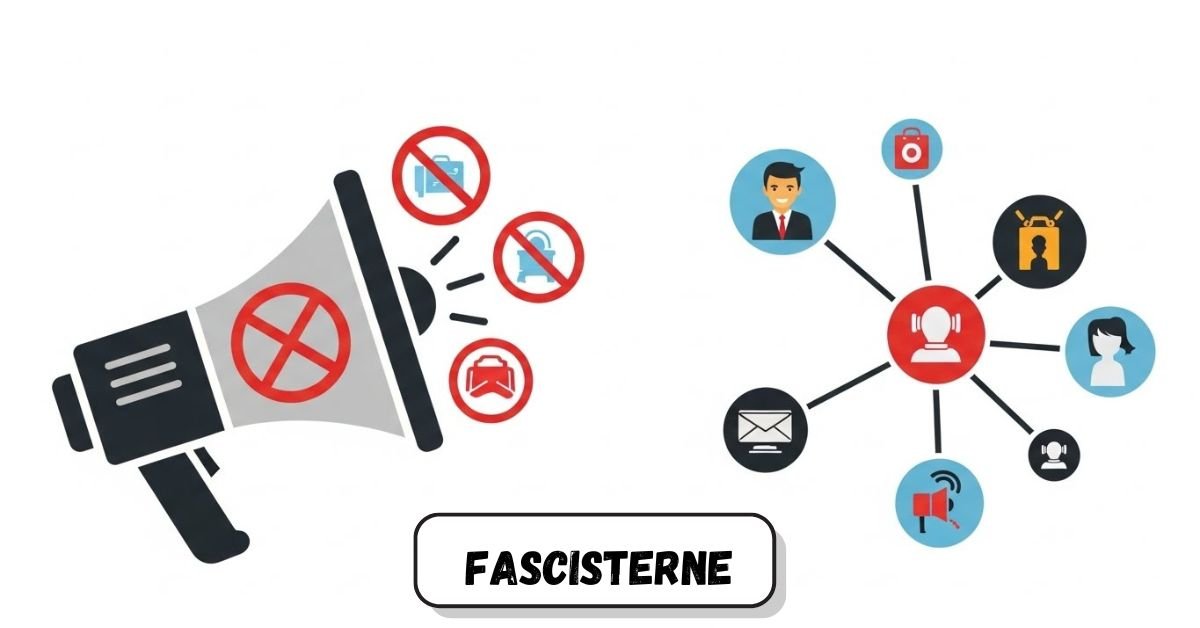
The quick dissemination of these ideas is greatly facilitated by social media platforms. By bringing together people who have similar views, we can build a powerful network that can influence change on a global scale.
The influence of fascisterne is ever-changing due to the dynamic nature of contemporary politics and the complexity of global concerns such as immigration and climate change.
Controversies Surrounding Fascisterne
Much discussion and controversy has surrounded fascisterne throughout the years. Some think its worldview is divisive because it encourages bigotry and prejudice.
Racism and xenophobia charges leveled against members put a strain on relationships between different ethnic groups. Questions concerning the balance between free speech and social responsibility have been prompted by this pushback.
The strategies they employ can also cause divisions. While some see them as a vital counter-movement to PC, others worry that they pose a threat to democratic principles in their language and ideas.
Protests against Fascisterne-affiliated public demonstrations are common, demonstrating the societal divisions it sows. Tragically, these conflicts are frequently magnified by the media, resulting in sensationalized depictions that fail to fully encompass the intricacies of their beliefs.
Keeping up with the debates surrounding this movement is crucial if you want to comprehend its impact on modern politics.
Comparison to Other Far-Right Movements
There are certain shared features between fascisterne and other far-right movements, but there are also some unique features. These ideologies share a commitment to nationalism and a robust nation-state. But Fascisterne frequently goes to extremes, encouraging not only national pride but also a feeling of being better than everyone else.
Fascism is heavily rooted in cultural identity, in contrast to many conventional conservative movements that may center on economic concerns. A novel hybrid of social conservatism and extreme nationalism is thus produced.
Furthermore, Fascisterne has established a strict framework that values intellectual purity above widespread appeal, in contrast to many far-right parties that depend substantially on populist rhetoric. They risk losing the support of those whose values are in line with their own if they do this.
Similarities to previous fascist governments can be made in regard to the use of force and coercion. But Fascisterne’s current operating environment, influenced by the dynamics of social media and modern technology, adds another element to its strategy.
Conclusion: The Future of Fascisterne
Who knows what the future holds for Fascisterne, but it’s sure to be interesting. The movement’s resilience will be tested as it navigates changing political climates and societal factors. Some people may find solace in Fascist ideology despite the growing number of voices expressing worries about immigration and national identity.
On the other hand, there is a rising backlash against far-right ideology, as seen in the criticism from many social movements. Fighting extremism while promoting inclusion requires an educated public. The difficulty is in avoiding contentious language while still resolving valid complaints.
The possibilities for both education and disinformation are growing as a result of the proliferation of communication channels and technological advancements. The way Fascisterne handles these challenges will determine its future and the effects it has on society at large.
As we progress into a more interdependent society with varied viewpoints, it will be crucial to keep an eye on what happens with this trend.
Read More : Erectn: Definition, Uses & Quick Guide