





Introduction to Logisths and the concept of smart logistics
The logistics and supply chain industry is undergoing a revolutionary shift in today’s efficiency-driven environment. Here we have Logisths, a fresh strategy that makes use of state-of-the-art tech to build operations that are both smarter and more nimble. Just picture a world where automation, AI, and real-time data analytics work in tandem to streamline the delivery process from start to finish. What we are witnessing is the actualization of our future, not merely wishful thinking.
Logisths is becoming more than just a choice; it’s a must for firms that want faster and more accurate operations. How commodities go from one country to another and into the hands of consumers is being transformed by smart logistics, which allows for precise demand fluctuations prediction and real-time shipment tracking. It’s a new and fascinating frontier ripe with possibilities for expansion and happier customers.
So, what precisely is involved in Logisths? Why, then, should businesses be so keen to incorporate this innovative idea into their supply chains? Let’s go further into the intriguing world of smart logistics, which has the potential to revolutionize our industry.
Advancements in technology driving the growth of Logisths
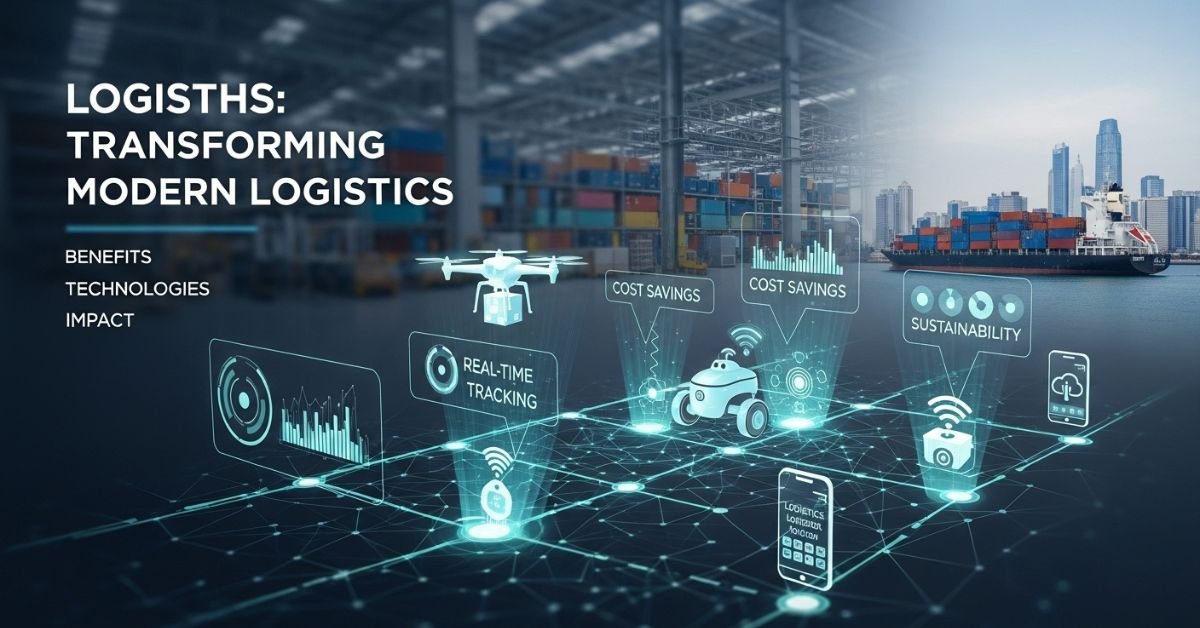
Logistics is being transformed by technological breakthroughs. An important part is played by artificial intelligence (AI). Optimal route planning, inventory management, and demand forecasting are some of the business uses of AI.
The IoT, or Internet of Things, is yet another revolutionary development. Shipments are monitored in real time using sensors. Businesses can now track environmental factors like humidity and temperature as they travel thanks to this connectivity.
Robotics is also becoming more common. Warehouse operations are made more efficient and less prone to human mistake with the use of robotics. Drones are quickly becoming a popular choice for last-mile delivery services.
Supply chains are made more transparent with the use of blockchain technology. It guarantees that all transactions are secure and can be tracked from start to finish.
Together, these advancements make Logisths smarter and more efficient, allowing them to react faster to the ever-changing demands of the market.
Benefits of implementing Logisths in supply chain management
Implementing Logisths in supply chain management offers numerous advantages that can transform operations. One of the primary benefits is enhanced visibility across the entire supply chain. Real-time tracking allows businesses to monitor shipments and inventory levels seamlessly.
Another significant advantage is improved efficiency. Automation reduces manual tasks, freeing up valuable time for teams to focus on strategic planning rather than repetitive chores.
Cost reduction also plays a crucial role. By optimizing routes and minimizing delays, companies can save on transportation expenses while ensuring timely deliveries.
Additionally, Logisths fosters better collaboration among stakeholders. With shared data access, suppliers and partners can work together more effectively, leading to streamlined processes.
Implementing advanced analytics helps organizations make data-driven decisions. This empowers them to anticipate market trends and adapt quickly in response to changing demands or challenges within the industry.
You May Like : Lbythj: Meaning, Mystery & Modern Use
Case studies of companies successfully using Logisths
Amazon is a prime example of Logisths in action. By leveraging advanced algorithms and real-time data analytics, the company optimizes its distribution network. This ensures faster delivery times while reducing costs.
Walmart has also embraced smart logistics. Their use of IoT devices helps track inventory levels across various locations. This provides accurate insights into stock availability, enhancing efficiency throughout their supply chain.
Another notable case is Maersk, which integrates blockchain technology for shipping processes. This innovation improves transparency and traceability in logistics operations, fostering trust among stakeholders.
These companies showcase how adopting Logisths can lead to remarkable improvements in operational performance and customer satisfaction. Each implementation reflects unique challenges but highlights one common goal: streamlined processes that benefit both businesses and consumers alike.
Challenges and limitations of Logisths
Logisths, while promising, faces several challenges. One notable limitation is the high initial investment in technology and infrastructure. Many companies may hesitate to adopt logisths solutions due to budget constraints.
Moreover, integration with existing systems can be complex. Businesses must ensure that new technologies work seamlessly with their current operations. This can require additional training and time.
Data privacy concerns also loom large. With increased connectivity comes the risk of cyber threats. Companies need robust security measures to protect sensitive information.
There’s a skill gap in the workforce. Not all employees are equipped with the know-how to manage advanced logistics systems effectively. Bridging this gap requires ongoing education and support for staff members adapting to these innovations.
The future outlook for Logisths and its potential impact on the industry
The future of Logisths promises transformative changes in logistics and supply chain management. As automation, artificial intelligence, and data analytics continue to evolve, the synergy between these technologies will redefine efficiency standards.
Real-time tracking capabilities will enhance transparency across the supply chain. Businesses can anticipate disruptions and make adjustments swiftly. This agility becomes crucial in a fast-paced market environment.
Sustainability is another critical driver for Logisths’ growth. Companies are increasingly focused on reducing their carbon footprint. Smart logistics solutions offer innovative ways to optimize routes and decrease waste.
Collaboration among stakeholders will rise as platforms become more integrated. Sharing insights through interconnected systems fosters stronger partnerships within the industry.
As consumer expectations shift toward faster deliveries, Logisths provides a pathway for businesses to meet these demands while maintaining cost-effectiveness. The landscape is evolving rapidly; those who embrace smart logistics stand to gain significantly.
Conclusion: Why businesses should consider incorporating Logisths into their operations
Businesses can gain a substantial advantage by using Logisths as they traverse the intricacies of modern supply chains. Not fads, but revolutionary changes in the way logistics are carried out are brought about by technological breakthroughs. Smart logistics solutions that improve productivity are created by automating operations, analyzing data, and drawing insights from artificial intelligence.
Businesses that use Logisths can take advantage of real-time tracking and analytics that anticipate future events. This results in less expenses and improved inventory management. Being capacity to adjust to new circumstances rapidly is also very important in the modern business world.
The case studies show how different industries have successfully implemented the strategies. Companies who use these technologies see an uptick in customer satisfaction as a result of less order processing errors and speedier deliveries.
Problems with integration or high initial investment expenses are just two examples of the difficulties that firms must be cognizant of when considering the adoption of new systems. Nevertheless, these worries are usually superseded by the long-term advantages.
Given the current rate of technological advancement, the future of Logisths seems bright. Falling behind competitors who have embraced this transformation is a real possibility for companies that don’t adapt quickly enough.
If you want your business to grow sustainably and have better supply chain management, you need to integrate Logisths into your operations.
Read More : Ovppyo: Meaning, Uses & Future Impact